Local biohazard cleanup
Biohazard Cleanup in Washington, IL
Get blood, bodily fluids, odor and contaminated materials removed safely from any property in Washington, day or night.
Call (888) 440-9227
Talk to a biohazard cleanup specialistAnswered 24 hours a day. No forms.
- Unmarked vehicles
- OSHA bloodborne pathogen rules
- Help with insurance paperwork
Discreet and respectfulCrews arrive in unmarked vehicles.
24/7 callsDay, night, weekends and holidays
Unmarked vehiclesPrivate, quiet work
OSHA protocolsBloodborne pathogen rules
WashingtonHomes, rentals and businesses
Local conditions
Understanding Biohazard Cleanup Conditions Around Washington
Local population patterns, housing and site access may affect how containment and cleanup are planned.
15,919residentsCensus ACS
20%of homes are rentedCensus ACS
1978median year homes were builtCensus ACS
835residents 65+ live aloneCensus ACS
A local renter share of 19.6% means many properties may have one owner making decisions about access, drying, and material removal.
A median build year of 1978 means fluids can pass through carpet or seams and affect padding or subfloor below.
About 835 older residents live alone in Washington, representing 33.5% of seniors and making regular welfare checks especially meaningful.
Detached and single-family properties account for 85.2% locally, so exterior access and safe waste movement should be planned early.
What Local Information Tells You About Cleanup
- Saint Francis Medical Center is about 8.2 miles from Washington, which is useful to know when an exposure or injury needs medical attention.
- Because Germantown Hills, East Peoria, and Morton are nearby, parking and equipment staging are easiest to plan once the exact entrance is known.
Call (888) 440-9227Ask about cost and timing by phone
Biohazard cleaning explained
What Washington Biohazard Cleanup Means and Includes
Biohazard cleanup safely removes and disinfects blood, tissue, bodily fluids and hazardous materials, then disposes of them following crime, death, accidents, hoarding or a sewage backup.
You may also hear it called trauma cleanup, bio cleanup, biohazard remediation or bio hazard cleaning. Professional biohazard cleanup goes beyond ordinary deep cleaning. Using personal protective equipment, technicians trace every place contamination reached, remove porous items beyond disinfection, then restore affected areas to a livable condition.
Biohazard removal services in Washington and the surrounding areas cover crime scenes, traumatic events, hoarding, sewage and hazardous waste. Crime scene cleaners do the specialized cleaning that safe scene cleaning requires, from blood and fentanyl cleanup to odor control, with emergency response available day or night. The goal is respectful, compassionate service that helps restore safety to the home.
- Blood and bodily fluids, fresh or dried
- Decomposition after an unattended death
- Human and animal waste, urine and vomit
- Untreated sewage and Category 3 black water
- Needles, sharps and medical waste
- Meth, fentanyl and drug lab residue
Call (888) 440-9227Private help, day or night
Health and safety
Serious Health Risks of Biohazards in Washington Homes
Biohazards are real health hazards that can make people seriously ill, and the contamination you can see is rarely all of it.
Bloodborne Pathogens
HIV, hepatitis B and hepatitis C can live in blood. According to the CDC, hepatitis B remains viable on surfaces for at least seven days.
Decomposition and Airborne Contamination
Fluids, gases and bacteria from decomposition can penetrate flooring and move into other rooms through ventilation.
Sewage, Bacteria and Mold
Raw sewage carries E. coli, salmonella and hepatitis A, and wet materials can grow mold within 24 to 48 hours.
Why Household Cleaners Do Not Work
Bleach and sprays clean the surface but leave fluids in carpet pad, subfloor and drywall. Contamination left behind causes bacteria and odors to return, so decontamination services take out the source.
Call (888) 440-9227No forms. Just call.
What you get
What a Professional Biohazard Cleanup Company in Washington Does for You
Help With Biohazard Cleanup Insurance Claims
Your insurance company, property owner or state victim program can receive the photos, waste paperwork and notes describing the scope.
Respectful, Compassionate Biohazard Cleaning
Hoarding and neglect are met without judgment, with respect for you and your loved ones through a difficult time. Keepsakes, photos and documents are set aside for you.
Understand the Biohazard Cleanup Process Before Work Begins
The process, every step of cleanup and all price factors are explained to you before anything gets removed. Expect no pressure or surprises.
Discreet 24/7 Emergency Biohazard Cleanup
Emergency service calls are answered day and night, and crews arrive in unmarked vehicles so neighbors and building staff do not know what happened.
Call (888) 440-9227Talk it through with a cleanup specialist
Every service
Washington Guide to All 57 Biohazard Cleaning Services
Select the cleanup page that matches your needs. You may call when you need help identifying the appropriate service.
Blood and Bodily Fluid Cleanup in Washington
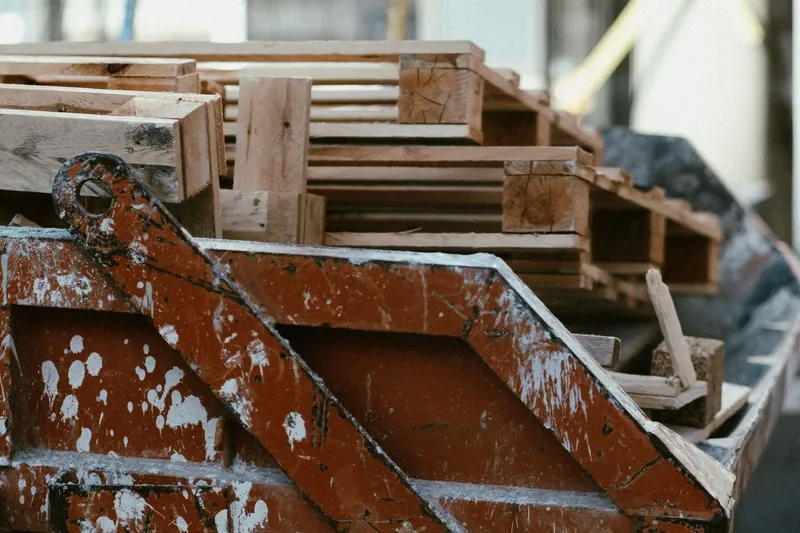
Hoarding and Squalor Cleanup in Washington
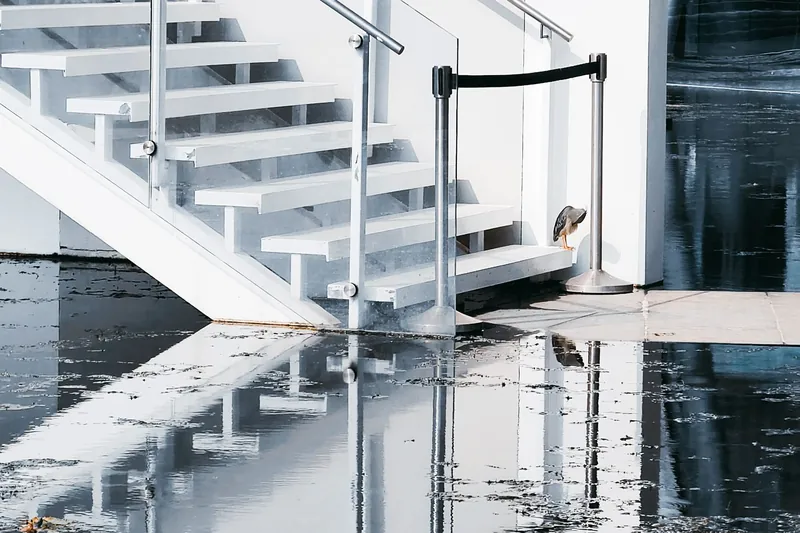
Sewage and Sewer Backup Cleanup in Washington
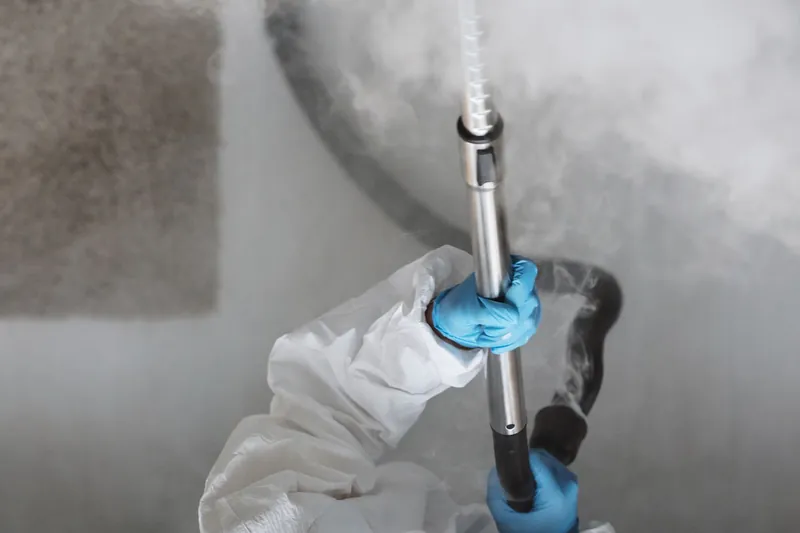
Infectious Disease Disinfection in Washington
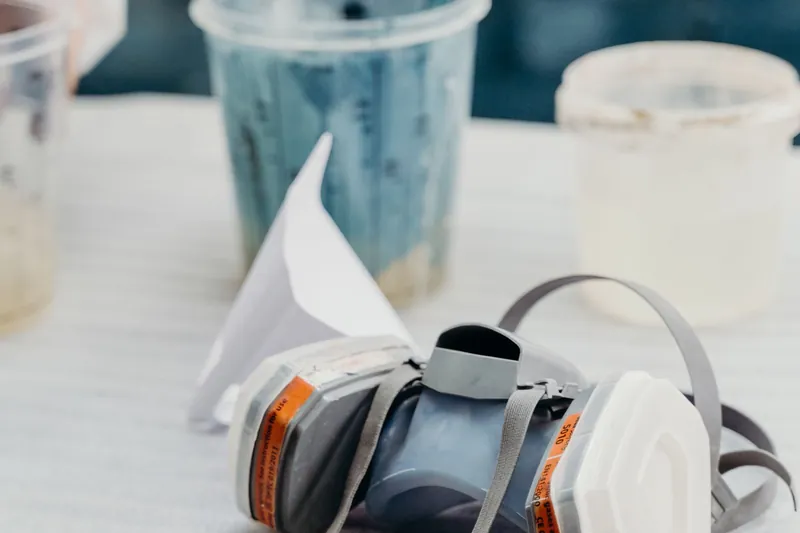
Meth Lab and Drug Cleanup in Washington
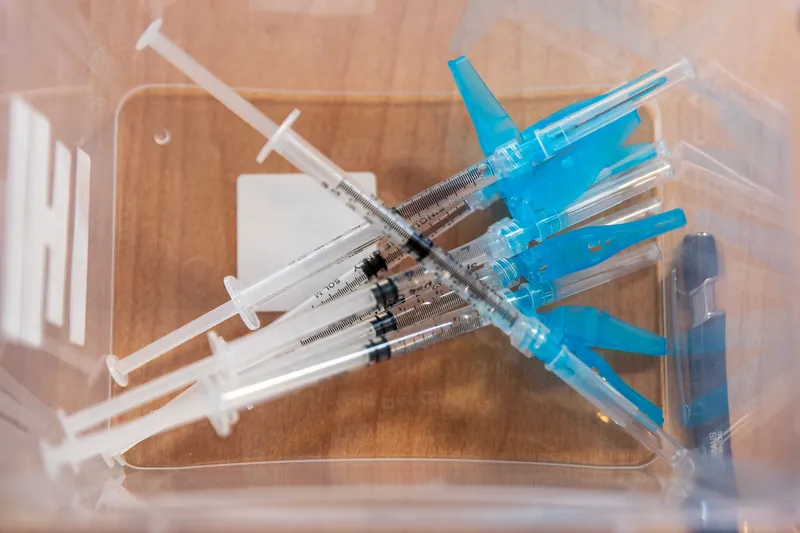
Medical Waste and Sharps Removal in Washington
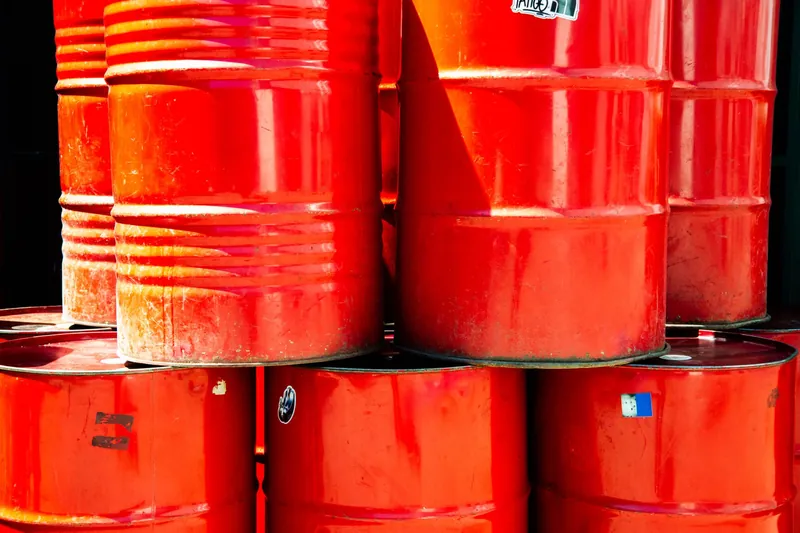
Hazmat and Chemical Cleanup in Washington
Animal Waste and Rodent Cleanup in Washington
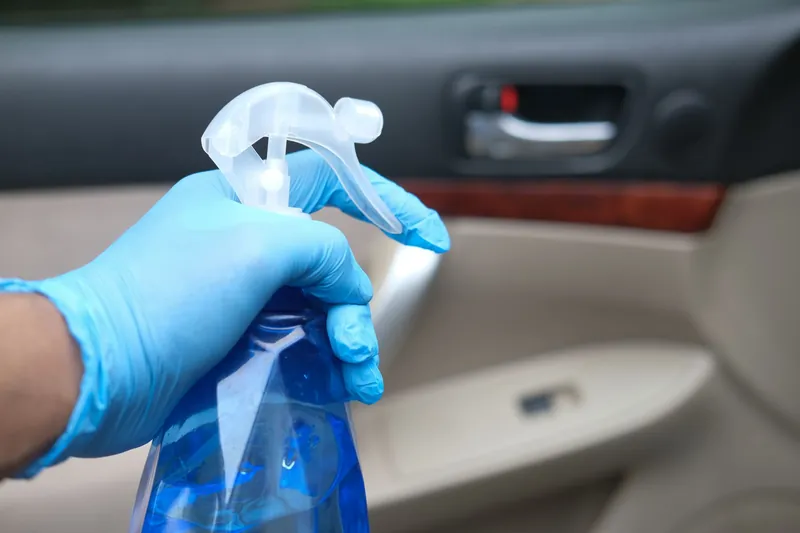
Car and Vehicle Biohazard Cleanup in Washington
Biohazard Cleanup by Property Type in Washington
- Commercial and Industrial Biohazard Cleanup
- Hospital and Healthcare Biohazard Cleanup
- Hotel, Airbnb and Rental Biohazard Cleanup
- Office and Workplace Biohazard Cleanup
- School and Daycare Biohazard Cleanup
- Jail and Holding Cell Cleanup
- Homeless Encampment Cleanup
- Eviction and Tenant Move-Out Biohazard Cleanup
- Biohazard Carpet and Upholstery Cleaning
Call (888) 440-9227Answered 24/7, including holidays
First steps
First Steps Before You Call Biohazard Cleaners in Washington
Few people encounter this more than once. Following the right opening steps helps protect your health while preserving your claim and cleanup cost.
Call (888) 440-9227- Call 911 if anyone is hurt or has died. The medical examiner or coroner, law enforcement and first responders need to clear the scene before any cleanup starts.
- Keep away from the affected area. Keep pets and children away after closing the door. Do not walk through blood or fluids.
- Avoid cleaning the area on your own. Contamination spreads and stains become embedded in flooring and walls when household cleaning products are used.
- Call your insurance company. Ask whether biohazard cleanup is covered when you report the loss, then note the insurance claim number.
- Call for biohazard cleanup. Tell the cleanup team about the event and all impacted rooms to help them prepare.
Step by step
A Step-by-Step Look at Biohazard Cleanup in Washington
The biohazard cleanup process follows the same safe order for every job, from the first call to the final inspection.
Call and On-Site Biohazard Assessment
You start by describing the situation. You and the technicians agree on the scope after they inspect the scene and take photos.
Containment of the Affected Area
Plastic sheeting isolates the affected area and stops contaminants from reaching additional rooms.
Removal of Contaminated Materials
Porous materials that absorbed infectious materials, such as carpet, pad and drywall, are cut out and sealed as medical waste so nothing is left behind.
Biohazard Cleaning and Disinfection
Cleaning every surface is followed by treatment with hospital-grade, EPA-registered disinfectant.
Odor Removal and Air Quality
The odor source is treated using ozone, hydroxyl or air scrubbers, and the vents are also examined.
Biohazard Waste Disposal
Tracking paperwork follows sealed waste to a permitted facility where medical waste is treated.
Final Inspection and ATP Testing
The space is inspected and, where appropriate, ATP tested to confirm a livable condition, and documentation and photos are prepared for your claim.
Repairs and Back to Normal
Your own contractor or a vendor working with your insurer can replace any removed drywall or flooring.
Call (888) 440-9227Ask about cost and timing by phone
Price ranges
Biohazard Cleanup Cost Guide for Washington, IL
For biohazard cleanup, a typical national range is $3,000 to $5,000 according to Fixr. The type of job changes the price. Minor blood cleanup runs $500 to $2,500, and a sewage backup runs $2,000 to $10,000. The real price is set after the on-site assessment.
Minor Blood Cleanup Cost
$500 to $2,500Source: BioCleaners Directory crime scene guideCrime Scene Cleanup Cost
$1,500 to $7,500Source: Biohazard cleanup company guideUnattended Death Cleanup Cost
$2,000 to $7,000Source: PushLeads, Biohazard Cleanup CostSewage Cleanup Cost
$2,000 to $10,000Source: Bob Vila sewage cost guideCall (888) 440-9227Private help, day or night
Insurance and who pays
Biohazard Cleaning in Washington: Will Insurance Cover the Cost?
Yes, often. Biohazard cleanup following a sudden incident, including a death, sewage backup or crime, is commonly covered by renters and homeowners policies, less your deductible.
Illinois Crime Victim Compensation
The Illinois Attorney General's Crime Victim Services Division lists crime scene cleanup among the costs its compensation program can help offset, so victims of violent crime can ask about it. Insurance is usually checked first.
Renters and Homeowners Biohazard Cleanup Insurance
Sudden and accidental events are usually covered. Long-term neglect and hoarding are generally excluded. Check with the insurer prior to starting work.
Tazewell County Landlords and Rental Property Owners
For common spaces and rental properties, cleanup is typically arranged and paid for by the property owner or manager.
Estate of the Deceased and Next of Kin
Death cleanup costs can often be covered by the estate. The executor or a family member usually takes care of this.
Looking for a Biohazard Removal Service Around Washington?
You can call anytime. A cleanup specialist can walk you through the process for your property.
Nearby locations
Find Biohazard Cleanup Services Close to Washington
Call (888) 440-9227No forms. Just call.
Questions
Biohazard Cleanup Companies in Washington: Frequently Asked Questions
What is the usual length of biohazard cleanup?
On-site work lasts one to three days for most cleanups. Heavy scenes, decomposition or hoarding cleanouts can take several days to two weeks.
What is the biohazard cleanup cost in Washington?
Typical national pricing for biohazard cleanup runs $3,000 to $5,000 in the Fixr guide. Blood cleanup for minor jobs costs $500 to $2,500, while a sewage backup costs $2,000 to $10,000.
Does homeowners insurance cover biohazard cleanup in Illinois?
Many renters and homeowners policies pay for biohazard cleanup after a sudden incident, less the deductible. Coverage commonly excludes hoarding and neglect over time.
How long do pathogens survive in dried blood?
A few can persist a long time. The CDC reports that hepatitis B remains viable on surfaces for at least seven days; dried blood should therefore be handled as infectious.
What is considered a biohazard?
Any biological substance capable of causing illness is a biohazard, including tissue, bodily fluids, blood, used needles, untreated sewage, human waste and animal waste.
Contact a Biohazard Cleanup Company Available in Washington
Your call is answered 24 hours a day, including weekends and holidays.